
BUSINESS
Europastry Buys Chile’s Pan de Origen for Store Ovens
Europastry takes a majority of Chile’s Alicomer, the Pan de Origen baker for Walmart and Oxxo, betting frozen bread can double its local share.

Europastry has taken a majority stake in a new Chilean company that folds in Alicomer, the baker behind Pan de Origen on Walmart and Oxxo shelves. The Spanish frozen-bakery group already sold croissants and muffins to Chilean bakeries and restaurants from a Santiago office, and it did not bake rustic loaves in the country until this deal, confirmed on October 6, 2026, for a sum it did not name.
Executive chairman Jordi Gallés said the group had bought the majority of that new company, which combines Europastry’s Chile sales book with Alicomer. The wager is not another sales desk. It is store ovens, and a frozen-share target he set in public.
The Walmart Aisle Was the Asset
Felipe Castaño, the Chilean owner behind Pan de Origen, sits on the other side of the vehicle. Deloitte advised Europastry. Lawyers Mario Diemoz and Gonzalo Espinosa advised Alicomer. Gallés, second generation of the founding family, said the tie-up would let the group grow a lot in the Chilean market.
Europastry’s Chile list was hotels, restaurants, artisan bakeries and some retailers, with croissants, doughnuts, cookies and muffins. Alicomer’s list is big grocery. Pan de Origen already supplies ciabatta to Walmart’s Chilean stores and rustic loaves to Oxxo shops, which is the door the Spanish group did not own.
By April 2026, Pan de Origen’s share of Walmart’s bulk-bread offer in Chile had gone from 3% to more than 30%, Castaño said. The loaves leave the plants frozen and get baked in store, so they land on the warm shelf. Europastry built a global business on that bake-in-store method, and now it owns the local dough that already sits in those ovens.
THE COMBINED CHILE PLATFORM
- Two plants: Alicomer bakes in La Florida and Quilicura, both in the Santiago area.
- Retail doors: Pan de Origen already sells into Walmart stores and Oxxo shops.
- Pastry book: Europastry keeps its Chile list for croissants, doughnuts, cookies and muffins sold to bakeries and restaurants.
- Store ovens: Dough ships frozen and is finished in shop ovens, the method Europastry uses in more than 90 countries.
Gallés framed the deal as a way to keep expanding in Latin America and to match products to what shoppers now ask for. The Chile piece of that line is specific: rustic bread already moving through grocery, not a cold start from the Providencia office.
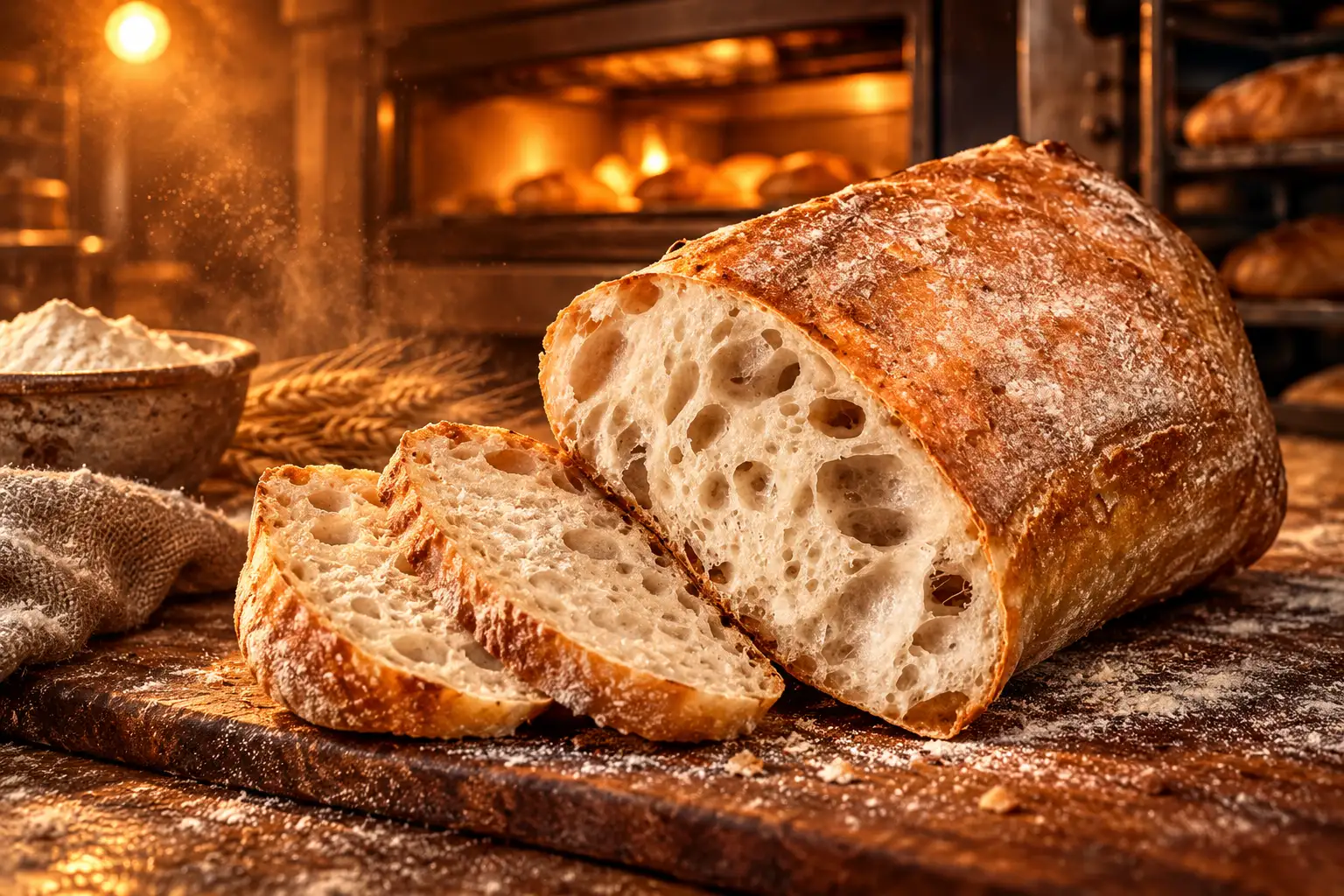
Gallés Wants Frozen Bread at 20% in Chile
The numbers he used are the spine of the purchase. Frozen bakery is less than 10% of fresh bakery in Chile, he said, against about 40% in Europe, and he sees the Chilean share reaching 20% in a decade even if total bread eating falls. He put Chilean intake at about 90 kilograms a person a year.
THE FROZEN SHARE HE CITED
- Chile now: Frozen bakery is less than 10% of the fresh bakery category.
- Europe now: Frozen bakery is about 40% of the comparable mix.
- His Chile target: 20% in ten years, even if people eat less bread.
- Intake he used: About 90 kilograms of bread a person a year in Chile.
Chile is already a heavy bread country, so a rise from under 10% toward 20% would move a lot of dough even if the total loaf count shrinks. Gallés pointed to convenience, more variety, and local plants as the levers, and he treated Chile as the first South American factory from which that mix could be copied. Europastry already has plants in Mexico and sales offices in Colombia and Costa Rica, so Santiago is a missing oven, not a first flag in the region.
Two Santiago Plants Ship 30,000 Kilos a Day
Castaño said in April 2026 that he had watched slow-fermented bread sit only in small bakeries and set out to make it at industrial scale. Pan de Origen grew from that idea, under Alicomer, from 2021, selling specialty bulk bread to big chains. The plants turn out about 30,000 kilos a day of ciabatta, toscano, wholewheat and other rustic loaves, shipped frozen for in-store baking.
One of the ciabatta lines uses turmeric seeds. The official range Europastry listed after the deal also includes olive bread and a low-carb, high-protein loaf, and the group said the breads are “made with sourdough and slow-fermentation processes.”
PAN DE ORIGEN ON THE SHELF
| Line | How it is made | Where it sells |
|---|---|---|
| Ciabatta, including a turmeric-seed loaf | Sourdough, slow ferment, then frozen | Walmart stores and other chains |
| Toscano and wholewheat rustic loaves | Sourdough, slow ferment, then frozen | Chilean grocery bake-off |
| Olive bread | Sourdough, slow ferment | Supermarket chains |
| Low-carb, high-protein loaf | Functional recipe on the same process | Supermarket chains |
Thirty thousand kilos a day is a serious local plant and a small line on a group that sells in more than 90 countries and employs over 6,000 people. The value is the route: grocery managers already know the brand, and the dough already hits the same ovens Europastry wants for croissants and muffins.
After Two Cancelled Floats, the Family Kept Buying
Europastry is still private, under the Gallés family, 39 years after it was founded in 1987. In 2024 it tried twice to list in Spain and pulled both attempts. The second stop came on October 8, 2024, two days before a planned debut, when the company told Spain’s stock-market regulator that geopolitical tension had made markets unstable. The offer had been built to raise about €210 million of new shares.
THE PRIVATE BUYING PATH
- June 2024: Pulls a planned listing, citing market swings.
- October 8, 2024: Cancels a second listing two days before the planned debut.
- July 2025: Buys 60% of Thailand’s Art of Baking.
- June 23, 2026: Agrees to buy Highland Baking Company in the United States.
- October 6, 2026: Confirms a majority of the new Chile company with Alicomer.
The group posted €1.63 billion of sales in 2025, up 8% from 2024, without a public listing. The Chile check, whatever its size, is the latest use of that private balance sheet.
Highland, Bangkok and a Chilean Majority
On June 23, 2026, Europastry said the Highland deal would take annual revenue above €2 billion ($2.28 billion). Lincoln International, which ran the sale for Highland’s owners, described the Illinois baker as a family maker of premium frozen breads for foodservice, with plants in Northbrook, Illinois, and Spartanburg, South Carolina. Hamburger buns, pretzels, ciabatta and pan breads sit in that book. Europastry did not name a price for Highland either.
In July 2025 the group took 60% of Art of Baking in Bangkok, a ready-to-eat and frozen bakery. The Chile majority is the third named deal in that 15-month stretch, and it is a different kind of asset: grocery rustic bread, not U.S. restaurant buns and not Thai pastry.
THREE DEALS, THREE JOBS
| Company | Announced | Stake | What it adds |
|---|---|---|---|
| Art of Baking, Bangkok | July 2025 | 60% | Ready-to-eat and frozen bakery in Southeast Asia |
| Highland Baking, Illinois | June 23, 2026 | Whole company | U.S. restaurant and hotel breads, two plants |
| Alicomer, Santiago | October 6, 2026 | Majority of a new Chile company | Supermarket rustic bread and two local plants |
The Chile purchase does not lift group sales the way Highland does. Europastry already said in June that the U.S. baker would take annual revenue above €2 billion. Alicomer’s 30,000 kilos a day open supermarket ovens. They do not rewrite the group’s top line, even if some early write-ups treated Santiago as if it were a second Highland.
Chile Waited Nine Years for Local Dough
Europastry acquired Crandon in Chile in 2017, an importer and distributor that specialised in pastries and, to a lesser extent, bread. That buy put the group into South America through a commercial door. It did not put a rustic-bread plant in Santiago. For nine years the Providencia office sold pastry into bakeries and restaurants while grocery ciabatta belonged to someone else.
Mexico already has Europastry plants, and the group partners with Alsea there. Castaño had talked about Mexico as a next step for Pan de Origen before the sale. The Spanish group now owns the Chilean ovens and already has Mexican ones, so any later copy of the rustic line would run through a network Castaño did not control.
The addition of Alicomer and Pan de Origen strengthens our commitment to innovation, quality and international growth, while opening up new opportunities to continue expanding in Latin America and offering products that meet the evolving needs of our customers and consumers.
Jordi Gallés, Executive Chairman, Europastry statement
The statement is the public line. The working line is the one he used in Chile: frozen bakery is still a thin slice of a 90-kilogram habit, and a local plant is how he wants that slice to grow.
How Much Europastry Paid for Alicomer
The companies did not publish a price, a precise percentage, or whether Castaño stays on. Gallés said only that Europastry had bought the majority of the new company, a structure that folds the Spanish group’s Chile operation in with Alicomer rather than a simple bolt-on of one baker’s shares. That is all that is on the record about money and control.
WHAT WE KNOW
- Control: Europastry holds the majority of a new company that combines its Chile operation with Alicomer.
- Plants: Two Santiago-area bakeries, in La Florida and Quilicura, stay in the group.
- Price: No figure was named in the October 6, 2026 statement or in Gallés’s comments.
- Advisers: Deloitte worked for Europastry; Mario Diemoz and Gonzalo Espinosa worked for Alicomer.
WHAT IS UNCONFIRMED
- Exact share: “Majority” was not broken into a percentage.
- Castaño’s role: No statement said whether he remains a manager or a minority holder.
- Packed bread: In April 2026 Pan de Origen was preparing a packed line under its own brand; that plan has not been restated since the sale.
Highland’s price was also kept private. The pattern is consistent: the family buys bakers, names the industrial logic, and leaves the check with the lawyers.
Frequently Asked Questions
Who Owns Pan de Origen and What Is Alicomer?
Alicomer is the Chilean company of Felipe Castaño that bakes under the Pan de Origen brand. Castaño’s family also built Maquipan, a bakery-equipment firm, and his father created pan Cena, a loaf later sold to Bimbo. The bulk-bread push into big grocery chains under Alicomer started in 2021.
Where Are Alicomer’s Bakeries in Chile?
The two plants are in La Florida and Quilicura, communes of Santiago. In April 2026 the company signed with Austria’s Backaldrin for European ingredients and said it was preparing a packed-bread line under its own brand, a plan that has not been confirmed since Europastry took control.
Did Europastry List Its Shares in 2024?
No. It set a range of €15.85 to €18.75 a share for a debut around October 10, 2024, then cancelled on October 8, two days before that date. A June 2024 attempt had already been pulled. The family kept the company private and bought bakeries instead.
Which Other Bakeries Has Europastry Bought Since 2025?
In July 2025 it took 60% of Thailand’s Art of Baking, a Bangkok plant with 15,000 tonnes of yearly capacity, leaving Minor International and Srifa Frozen Food with 20% each. In June 2026 it agreed to buy U.S. foodservice baker Highland Baking, with plants in Illinois and South Carolina.
The next test is whether Santiago’s store ovens start pulling Europastry pastry onto the same Walmart tables that already hold Pan de Origen ciabatta. Gallés gave that work a decade, and he did it without listing the company that will have to fund it.

Ohtani Game 4 Logoman Card Sells for $3.24 Million

Cole Kmet’s Season Ends, and Chicago’s Tight End Plan Starts

NBA Seeks Soccer Money After EuroLeague Clubs Refused

Amazon’s First Bond Tests Leave the Broccoli Chair Empty

Tyrese Maxey Owns the Night Built for LeBron James

Warsh Rejects Rate Guidance and Still Moves Markets

Dana-Farber Exits an MGB Medicare Advantage Network Early

NASA Launches the Roman Space Telescope’s Cosmic Bet

OpenAI’s Cyber Letter Puts the Defense Bill on Governments

Russia Recycles Its Old Warning Over Storm Shadow Plants
-
 BUSINESS2 months ago
Warsh Rejects Rate Guidance and Still Moves Markets
-
 BUSINESS1 month ago
Dana-Farber Exits an MGB Medicare Advantage Network Early
-
 NEWS2 months ago
NASA Launches the Roman Space Telescope’s Cosmic Bet
-
 NEWS2 months ago
OpenAI’s Cyber Letter Puts the Defense Bill on Governments
-
 NEWS2 months ago
Russia Recycles Its Old Warning Over Storm Shadow Plants
-

 ENTERTAINMENT4 weeks ago
Primetime’s $2.7 Million Preview Tops Pitt’s Costlier Film
-

 BUSINESS2 months ago
Jet Drones Lock Down Kyiv and Strip Kherson of Heat
-

 NEWS2 months ago
Congo Starts Ervebo Vaccinations for a Different Ebola Virus